There’s a difference between spending money on your home and investing in it well.
By 2026, most homeowners will understand now that good interiors aren’t just about aesthetics. They shape how a home functions, how it feels to live in, and, in many cases, how well it holds value over time. Still though, when budgets are real and choices are endless, the same question comes up again and again: where should you actually spend, and where can you afford to be more restrained?
It’s a fair question. The best interiors rarely come from throwing money at every surface or filling every room with expensive pieces. They come from knowing what matters, what lasts, and what quietly does the heavy lifting in a space.
If you’ve been researching interior design costs in Melbourne, chances are you’ve already noticed how drastically numbers can shift depending on scope, suppliers, finishes and level of service. That’s exactly why return on investment matters… not every decision deserves the same share of the budget.
The goal isn’t to create a home that looks expensive. It’s to create one that feels considered, functions beautifully and avoids the kinds of mistakes that cost more to fix later.

Start with the Decisions that Shape the Room
When people think about interior design ROI, they often jump straight to products. The sofa. The pendant. The dining chairs. The marble.
But the highest-value decisions are often less obvious.
A well-resolved layout will almost always outperform a room full of beautiful but poorly scaled pieces. Good spatial planning changes how a room works, how people move through it, and how calm or cluttered it feels. It influences everything that follows. Get that part wrong, and even a generous budget can still produce a space that feels awkward.
This is one of the main reasons why professional design guidance often proves its value early. It brings discipline to the process. It narrows the field. It helps you invest in the right things, in the right order, for the way you actually live.

Where to Splurge in 2026
Upholstery that gets used every day
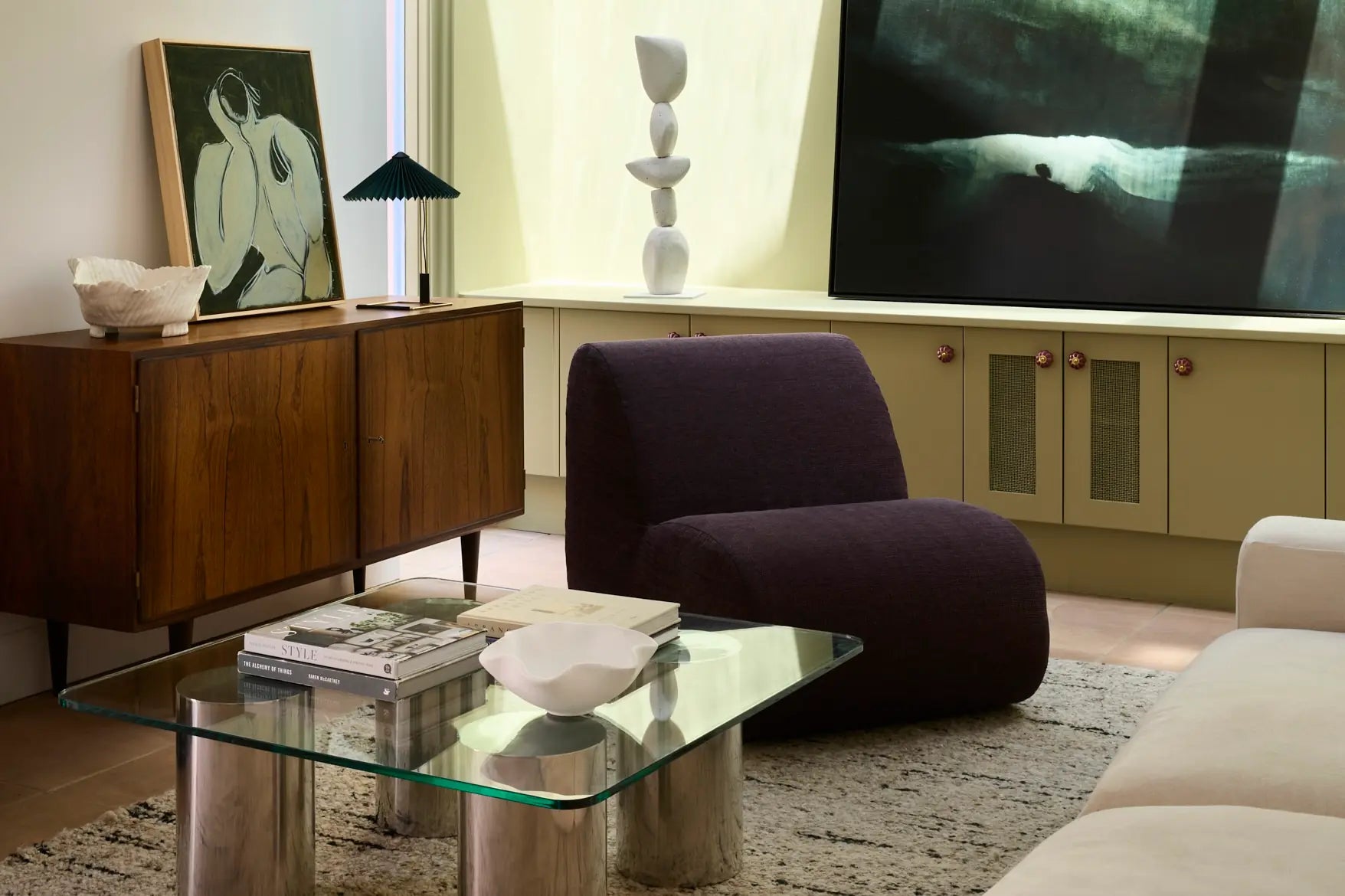
If there’s one category worth respecting, it’s major upholstered furniture.
Your sofa is not a styling accessory; it’s one of the hardest-working pieces in the home. It carries visual weight, anchors the room, and absorbs daily life in a way few other items do. A cheap sofa can look acceptable on day one but then feel tired far sooner than expected. Cushions collapse. Fabric pills. Proportions feel off. Comfort is compromised.
A better-quality sofa usually earns its keep through stronger construction, better foam and feather composition, more durable fabric options and a more resolved silhouette (the same applies to armchairs, bedheads and dining banquettes in high-use homes, for that matter).
This doesn’t always mean choosing the most expensive option in the showroom… it means understanding what you are paying for, and whether the piece will still feel right in three, five or even 10 years.
Lighting that changes the atmosphere
Lighting is one of the most underrated investments in residential interiors. It affects mood, depth, softness and function, yet it’s often treated as an afterthought once the larger purchases are made.
In reality though, layered lighting can completely change the way a home feels. A room with thoughtful ambient, task and accent lighting will almost always feel more refined than one relying solely on overhead fittings.
Where budget allows, it’s worth investing in statement pendants where they truly matter, quality wall lighting in key rooms, and decorative lamps that bring warmth into living areas and bedrooms. Lighting shouldn’t just illuminate a space… it should shape it.
Custom or semi-custom joinery where storage matters
Storage isn’t glamorous, but poor storage is expensive in a different way. It costs you in clutter, frustration and rooms that never quite feel resolved.
In spaces where function is critical, well-designed joinery can deliver strong long-term value. Living room cabinetry, wardrobes, entry storage and study joinery are often worth doing properly because they improve both everyday usability and visual calm. They also help a home feel more tailored and complete.
This is particularly relevant when weighing up the average cost of interior design services in Melbourne, because bespoke elements can easily inflate a budget if used indiscriminately. The answer is not to custom design everything; it’s to identify the points in the home where custom storage will materially improve how the space performs.
Window furnishings that finish the room
Window furnishings sit in that interesting category where practicality and visual impact meet.
Good curtains, Roman blinds or well-considered sheers bring softness, privacy, insulation and polish. They can correct proportions, add height, and stop a room feeling bare or echoey. Poorly handled windows, on the other hand, tend to stand out for the wrong reasons. This is an area where quality usually shows – fabric weight, heading style, tracking, drop length and installation all matter.
In a finished interior, window furnishings rarely feel optional.
The pieces that anchor the visual identity of the home
Not every room needs a hero piece, but most homes benefit from a few stronger moments.
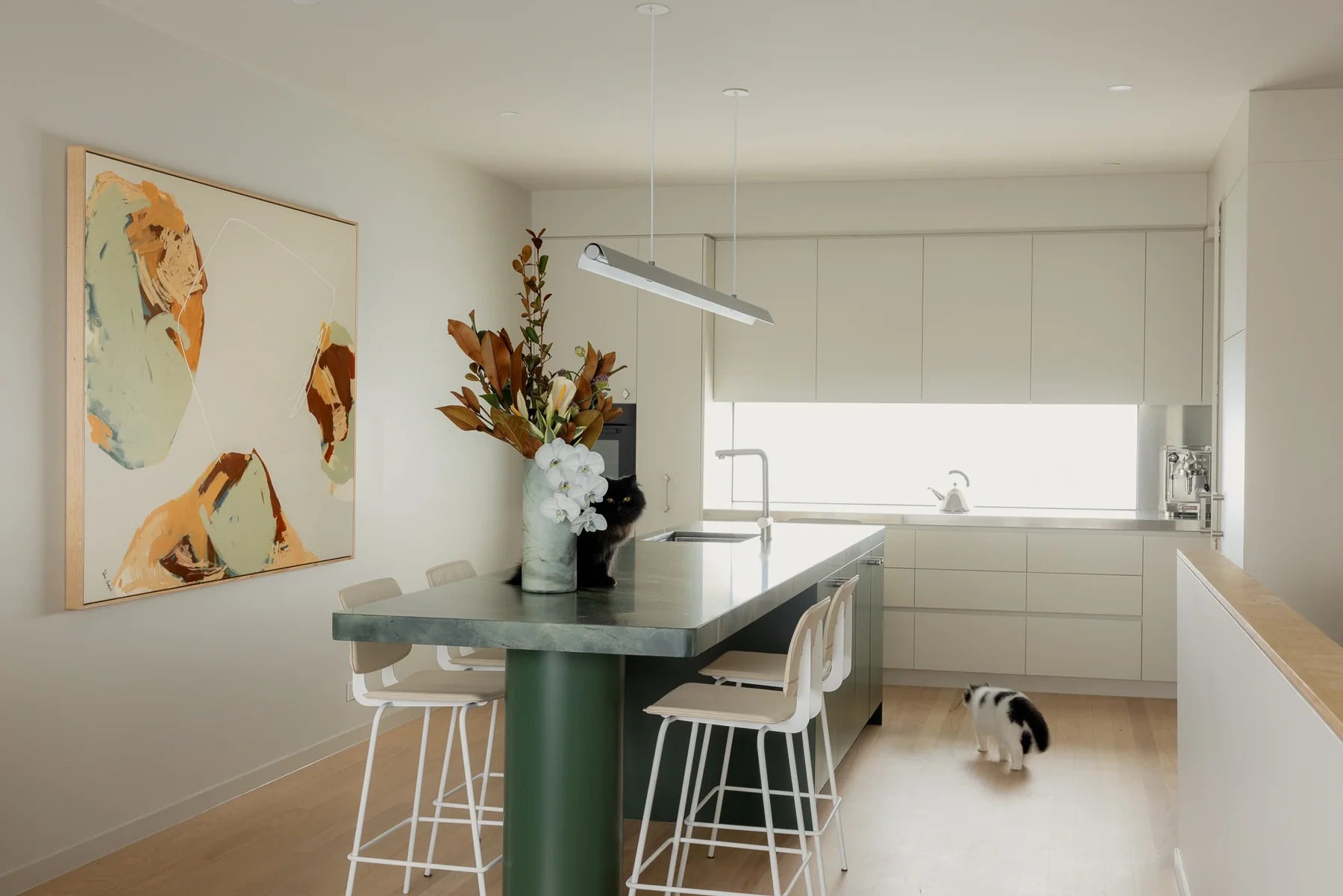
This could be a beautiful dining table in solid timber, a sculptural occasional chair, a large-scale artwork, or a natural stone coffee table that brings material contrast into the room. These are the elements that give a home presence. They help it feel curated rather than assembled. A handful of anchor pieces usually delivers a better result than spreading the budget thinly across a whole lot of average ones.

Where to Save Without Compromising the Outcome
Trend-driven accessories
Accessories matter, but they shouldn’t consume the budget.
Decorative objects, smaller side tables, cushions, vases and seasonal styling pieces can often be sourced more affordably (especially if the larger framework of the room is already strong!). These are the easiest layers to update over time, so there’s rarely a compelling reason to overspend on every finishing detail.
In other words, the room should already work before the styling goes in.
Secondary rooms that don’t need full intensity
Not every room deserves the same budget weight.
A main living room, primary bedroom or open-plan kitchen-dining-living area typically warrants more investment because it carries more visual and practical load. A guest room, occasional study or less-used sitting room might not. This is one of the most useful ways to think about ROI – budget according to importance and frequency of use, not according to a sense that every room must be treated equally.
Decorative duplication
Homes often lose money through repetition rather than necessity. Two rugs where one would do. Extra occasional chairs that rarely get used. Styling shelves simply to fill them. Overspecifying every corner because empty space feels uncomfortable in the early stages.
Good interiors are edited; they’re not built by maximum quantity. Sometimes saving means being more selective, not less design-conscious.
Hard finishes that mimic luxury well
There are so many product categories now, where the mid-market performs impressively. We’re talking porcelain alternatives to natural stone in the right application, engineered timber in place of a more expensive solid option, or well-made decorative lighting that gives the right effect without the premium designer markup.
The key is discernment. Some substitutions are smart; others are false economy. This is where experience matters. Knowing where a material can step down without affecting the final feel of the home is part of what separates a well-managed budget from a scattered one.
Impulse purchases made too early
This is less of a “save” category and more of a warning. A surprising amount of budget disappears through rushed decisions.
Buying before the measurements are final. Ordering furniture without considering lead times, scale or adjoining finishes. Choosing pieces in isolation rather than as part of a whole. These errors are expensive because they tend to create replacement costs, not just regret. One of the simplest ways to protect your budget is to slow the process down just enough to make better decisions.

The Real Return Isn’t Always Visible on a Spreadsheet
Interior design ROI is partly financial. A well-resolved home can function better, present better, and, in some cases, support stronger resale appeal. But good design also improves daily life. Better flow reduces friction. Proper storage makes a home easier to maintain. A well-planned living room gets used more. A bedroom with the right lighting and soft furnishings feels more restful. A dining area that works invites people in.
That kind of return is harder to measure, but it still matters.

Here’s Why Design Guidance Often Improves ROI
A lot of people try to save money by managing everything themselves, and then end up spending more correcting avoidable mistakes. Design guidance isn’t just about aesthetics; it helps with layout, proportion, sourcing, sequencing and cohesion. It reduces the risk of common missteps – undersized rugs, overcrowded rooms, poor lighting choices, mismatched finishes, or buying good pieces that simply don’t work together.
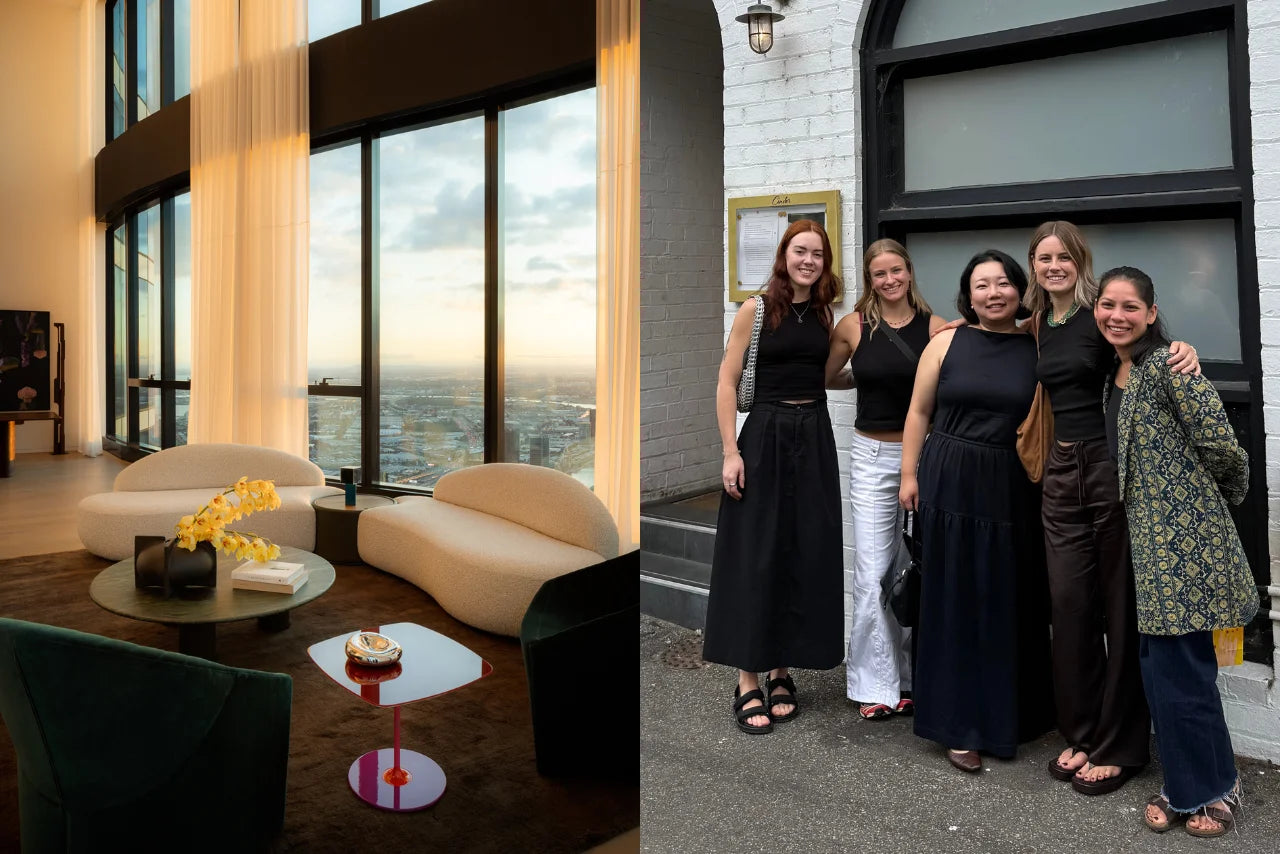
At FURNISHD, that’s a large part of how we think about value. Good design brings clarity – it helps clients invest where it counts, pull back where it doesn’t, and create homes that feel considered from the outset.
It’s about spending well, not simply spending more
The most successful interiors are rarely the ones with the biggest budgets. They’re the ones where the right decisions were made early, the key pieces were chosen well, and the budget was used with intent.
If you’re trying to make sense of priorities, budgets and the wider cost of interior design in Melbourne, a clear design framework makes the process far more effective. FURNISHD helps clients create homes that feel practical, cohesive and genuinely worth the investment.